

Index Guide
- Why Intelligent Architecture Matters
- Centralized Control with BMS
- Benefits for Residential, Commercial, and Healthcare Projects
- Sustainability and Efficiency
- Conclusion
- Frequently Asked Questions (FAQ)
1. Why Intelligent Architecture Matters
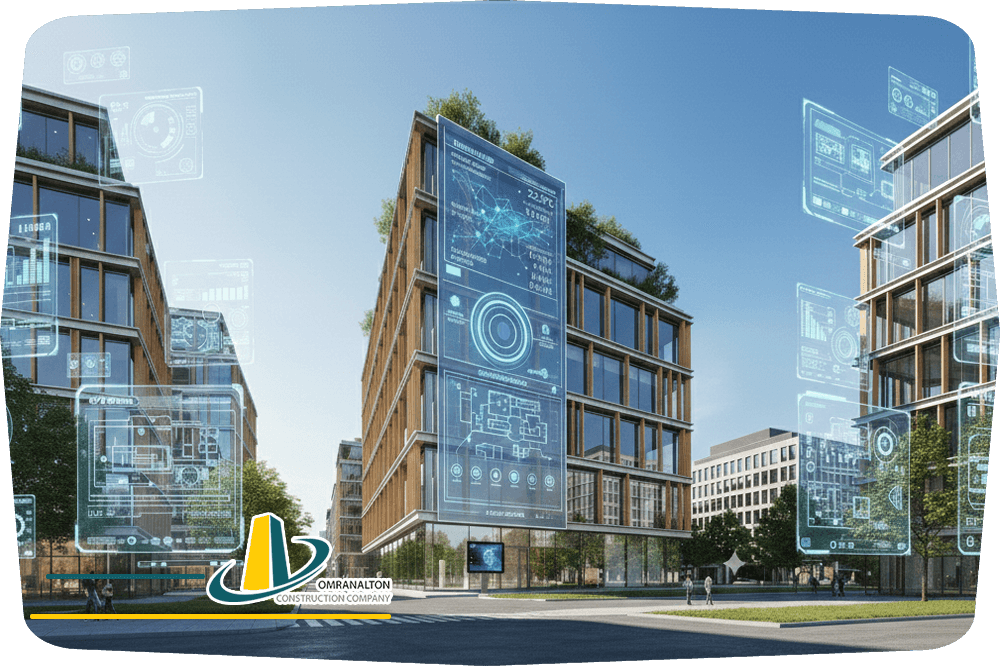
Intelligent architecture integrates design, technology, and functionality to create spaces that are adaptable, efficient, and responsive. From optimizing natural light to deploying smart HVAC systems, this approach ensures buildings meet user needs and sustainability goals.
2. Centralized Control with BMS
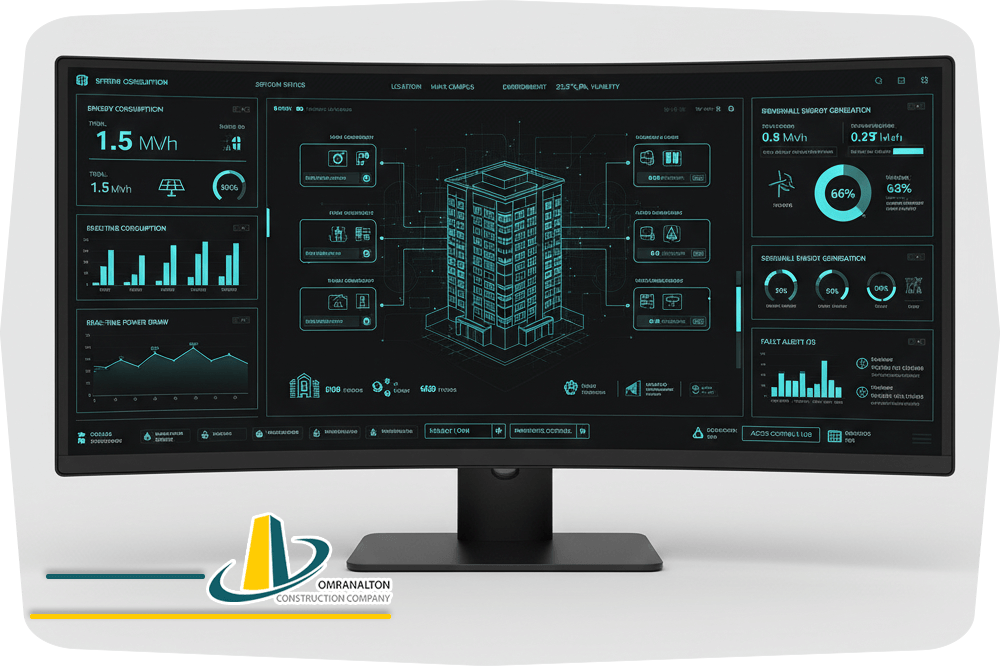
Building Management Systems (BMS) allow operators to manage multiple building functions from a single interface. Lighting, HVAC, energy use, and security are monitored and optimized in real time, reducing operational costs and improving occupant comfort.
3. Benefits for Residential, Commercial, and Healthcare Projects
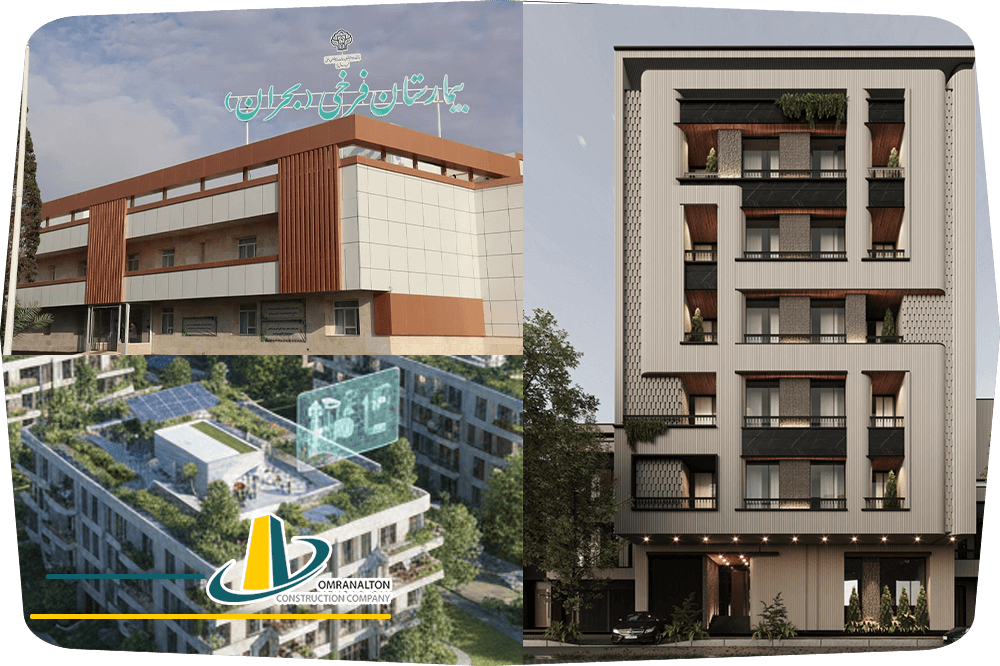
Residential: Enhanced comfort and energy efficiency, demonstrated in projects like the Mollasadra Residential Development (participation in construction). View Project
– where smart planning and integrated building systems improved overall project efficiency and user satisfaction.
Commercial: Efficient operations and lower maintenance costs, as seen in office buildings equipped with integrated BMS that optimize lighting and HVAC.
Healthcare: Enhanced patient safety and energy optimization, implemented in Rahnmoon Hospital (Yazd – electrical room upgrade), improving monitoring, ventilation, and lighting management in critical hospital areas
4. Sustainability and Efficiency
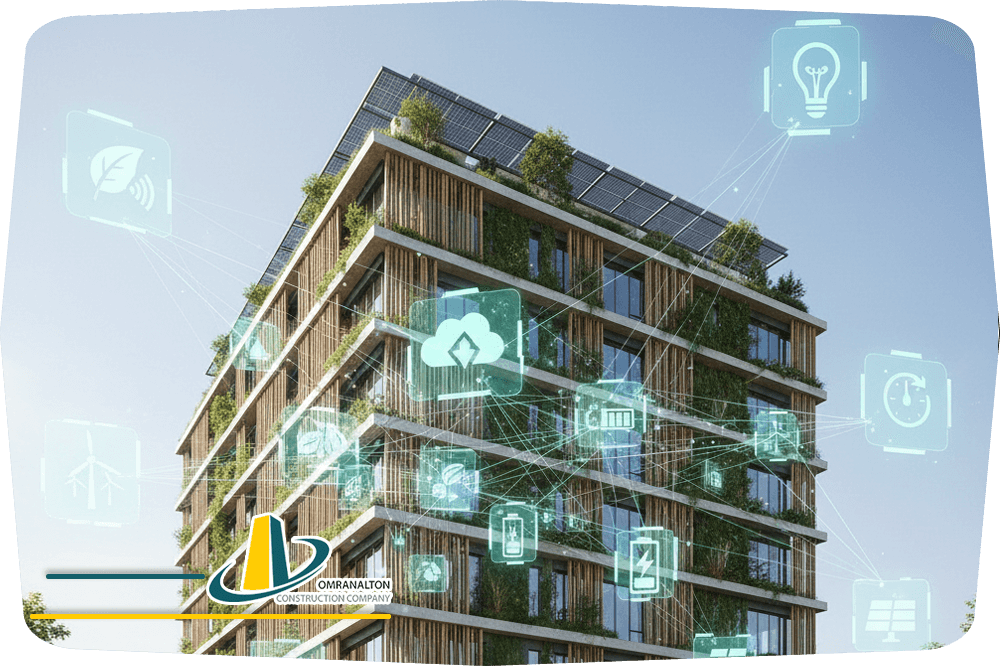
Integrating intelligent architecture with BMS supports sustainable construction. Energy-efficient systems reduce environmental impact, while real-time monitoring ensures optimal building performance throughout its lifecycle.
5.Conclusion
Smart architecture and integrated building systems transform the way buildings are designed, built, and managed. Embracing these innovations ensures safer, more efficient, and sustainable spaces tailored to user needs and environmental demands.
6. Frequently Asked Questions (FAQ)
?Q1: What is intelligent architecture
Intelligent architecture integrates design, technology, and building automation to create efficient, adaptable, and user-friendly environments.
Q2: What is a BMS?
A Building Management System (BMS) is a centralized platform for monitoring and controlling building systems such as lighting, HVAC, energy, and security.
Q3: How does smart architecture benefit healthcare facilities?
It enhances patient safety, enables infection control, optimizes energy use, and improves overall operational efficiency.
Q4: Can BMS reduce operational costs?
Yes, by optimizing energy use and system performance, BMS significantly lowers operational and maintenance costs.
Q5: Is intelligent architecture suitable for residential projects?
Absolutely. It improves comfort, safety, energy efficiency, and overall quality of life for residents.


